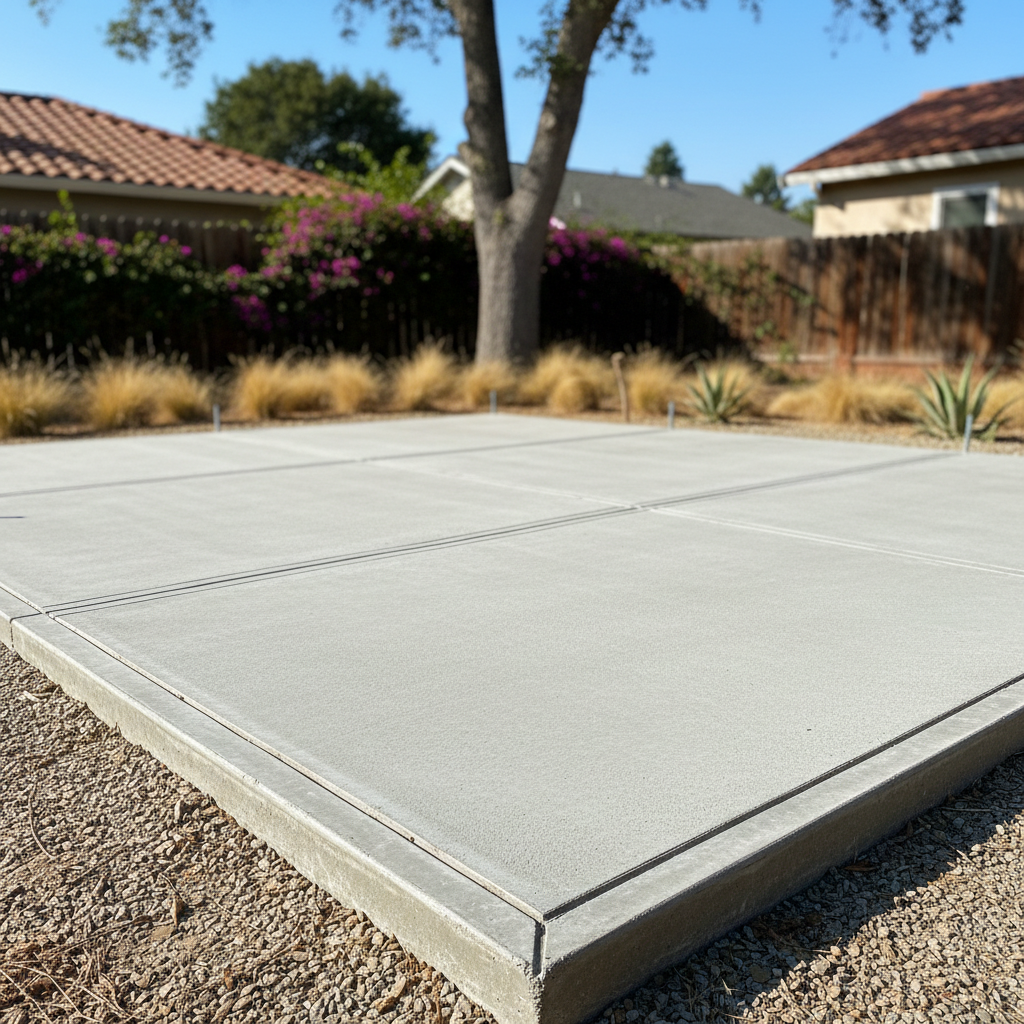
You're thinking about adding an ADU to your Oakland property. That's a smart move, whether it's for family, rental income, or just extra space. But before you get too far down the road with floor plans and finishes, you've got to do a proper site assessment. This isn't just about dreaming; it's about figuring out what's actually possible on your land, what obstacles you might face, and what it's really going to cost.
Before You Call a Contractor: Your DIY Homework
Look, I've seen a lot of folks get excited about an ADU, only to hit a wall when they realize their backyard isn't quite the blank slate they imagined. You can save yourself a lot of headaches and money by doing some groundwork first. Here's what you can realistically check yourself:
- Property Lines and Setbacks: Grab your property survey if you have one. If not, look up your parcel on the Alameda County Assessor's website or Oakland's planning portal. You need to know exactly where your property ends and where you can build. Oakland has specific setback requirements for ADUs – how far back from the property line, main house, and other structures you need to be. These can vary depending on your zone and whether it's an attached or detached ADU. Don't guess here.
- Existing Utilities: Where are your sewer lines, water lines, gas, and electrical? You might have a general idea, but try to find any old plans or look for access points like cleanouts or meters. Running new utility lines can be a big chunk of your budget, especially if they have to go a long way or navigate tricky terrain.
- Topography and Drainage: Is your yard flat, or does it slope? Does water tend to pool anywhere when it rains? This is super important. Building on a slope means more complex foundation work, retaining walls, and drainage solutions. You don't want your new ADU sitting in a swamp every winter. Walk your property after a good rain and see what happens.
- Access: How will materials and equipment get to the build site? Can a mini-excavator get into your backyard? Will workers have to haul everything through your house? This might seem minor, but difficult access can add significant costs to labor and equipment.
- Trees: Any big trees near where you want to build? Check if they're protected species, or if they're so close they'll interfere with the foundation or utility lines. Removing a large tree, especially an oak or redwood, can be expensive and require special permits in Oakland.
When It's Time to Bring in the Pros
Once you've done your initial scout, you'll have a much clearer picture. This is when you start involving the experts. Don't try to DIY these next steps; you'll likely miss something critical or make a mistake that costs more to fix later.
- Zoning and Permitting Review: While you can look up general zoning rules, an experienced ADU contractor or architect knows the nuances of Oakland's specific ADU ordinances. They can tell you exactly what's allowed on your parcel, what permits you'll need, and what the process looks like. We at Oakland ADU Solutions do this all the time; it's part of our initial consultation.
- Geotechnical Report (Soil Test): This is non-negotiable for many projects, especially in areas with expansive clay soils or on hillsides, which we have plenty of in the Oakland Hills. A geo-tech engineer will take soil samples to determine its bearing capacity, stability, and potential for expansion or liquefaction. This dictates your foundation design. Skimping here is asking for trouble down the road.
- Detailed Utility Mapping: A professional can use specialized equipment to locate underground utilities precisely. This prevents costly surprises like hitting a sewer line during excavation. They'll also assess if your existing electrical panel or water meter can handle the additional load of an ADU, or if upgrades are needed.
- Structural Assessment: If you're planning an attached ADU or converting an existing structure like a garage, you'll need a structural engineer to assess the existing building's integrity and how it can support the new construction.
- Topographical Survey: For anything beyond a perfectly flat lot, a surveyor will create a detailed map showing elevation changes, existing structures, and property boundaries with extreme accuracy. This is crucial for design and drainage planning.
What Happens After the Assessment?
Armed with all this information, you're in a strong position. You'll know what's feasible, what challenges exist, and you'll have a much more accurate idea of the project's scope and potential costs. This is when you can confidently move into the design phase, knowing that your plans are grounded in reality, not just dreams.
A thorough site assessment isn't just a step in the process; it's the foundation for a successful ADU project. It minimizes surprises, helps you budget accurately, and ensures your new structure is safe and compliant. Don't skip it.