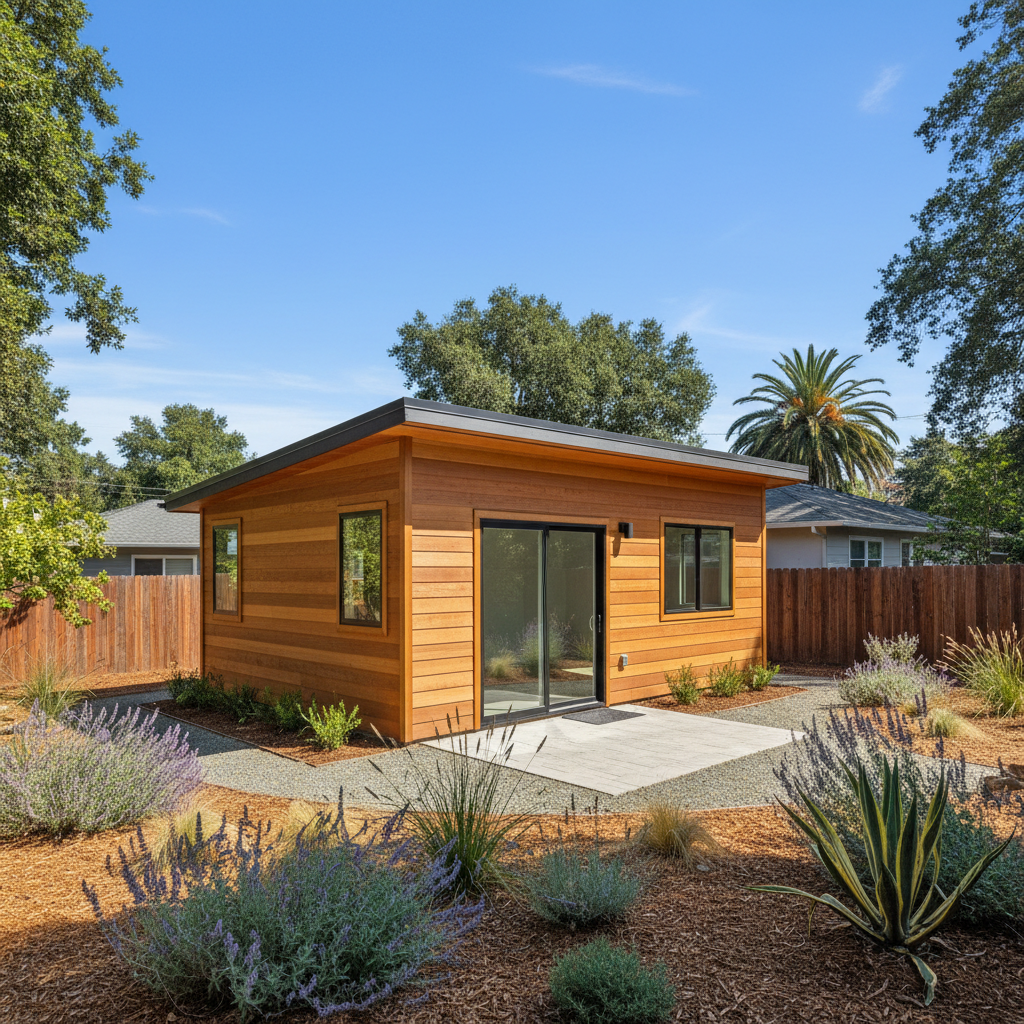
So, you're ready to build an ADU. That's a pretty big step, right? And honestly, the biggest decision you'll probably make is who you hire to actually build it. I've seen plenty of ADU projects come and go here in Oakland, and believe me, the contractor can either make or break the whole experience. Here's how to make sure you're picking a winner.
Start with the Right Questions
When you're chatting with potential contractors, think of it like you're interviewing them for a really important job. You've got to ask the tough questions, and then, just as important, you need to really listen to their answers. Don't be shy, okay?
- "How many ADUs have you actually built in Oakland?" This isn't just about general construction experience, you know. ADUs have their own specific rules, and Oakland's planning department can be, well, particular. Someone who's done a dozen ADUs right here in town? They know the ropes.
- "Can I see a list of your last three ADU projects, with contact info for the homeowners?" A good contractor won't bat an eye at this. They'll be proud of their work and their clients. Call those references, seriously. Ask about how they communicated, if they stuck to timelines, if the budget held up, and if the homeowners were happy overall.
- "What's your typical project timeline for an ADU like mine?" They should be able to give you a realistic range. Break it down: permitting, construction, finishing. If it sounds too good to be true, it probably is.
- "How do you handle change orders?" Things come up, don't they? Maybe you change your mind on a light fixture, or perhaps we uncover something unexpected once we start digging – especially with some of the older homes and varying soil conditions around the Dimond or Laurel districts. You need to know their process for pricing and approving these changes *before* they happen.
- "Who will be my main point of contact throughout the project?" You really don't want to be bounced around. A single, dedicated project manager is key for smooth communication.
- "What kind of warranty do you offer on your work?" A reputable contractor stands behind their craftsmanship. Get the specifics in writing.
Decoding the Quote: What to Look For
Getting a quote isn't just about the final number. It's about understanding what exactly you're paying for. A good quote, you'll find, is detailed and transparent.
- Line-item breakdown: Please, don't accept a single lump sum. You want to see costs for demolition, foundation, framing, plumbing, electrical, roofing, finishes, permits, and so on. This helps you compare apples to apples between contractors and truly understand where your money's going.
- Allowances vs. fixed costs: Some items, like fixtures or specific finishes, might be listed as an "allowance." This means they've budgeted a certain amount, and if you pick something more expensive, you'll pay the difference. Just make sure these allowances are realistic for your taste and budget.
- Payment schedule: How are they asking for payments? A small upfront deposit is normal, but be wary of contractors asking for a huge chunk of money before any work even starts. Payments should generally be tied to project milestones.
- Inclusions and exclusions: What's definitely included? What's definitely NOT included? This is where misunderstandings happen, believe it or not. For example, does the quote include landscaping around the ADU, or just the structure itself?
- Permit costs: Are permit fees included, or will you be responsible for those separately? Most good contractors will handle the permitting process for you, but the fees themselves can sometimes be passed on.
Red Flags You Can't Ignore
I've seen homeowners get burned, and it's usually because they ignored some pretty obvious warning signs. Don't be that person, okay?
- High-pressure sales tactics: "This price is only good today!" If you hear that, run. A legitimate contractor gives you time to think and compare.
- Cash-only demands: This is a massive red flag. It often signals someone trying to avoid taxes, and it leaves you with no paper trail or protection.
- No contract, or a very vague one: Everything needs to be in writing. A detailed contract protects both you and the contractor.
- Unwillingness to provide references or proof of insurance: If they can't or won't show you these things, they're hiding something.
- Significantly lower bids: If one bid is drastically lower than all the others, there's usually a reason. They might be cutting corners, using cheap materials, or planning to hit you with a ton of change orders later.
- Asking for a huge upfront payment: A reasonable deposit is fine, but if they want 50% or more before breaking ground, that's a problem.
Verifying Legitimacy
Before you sign anything, do your homework. It's not hard, and it can save you a world of trouble.
- Check their license: Go to the California Contractors State License Board (CSLB) website. You can look up their license number and see if it's active, if there are any disciplinary actions against them, and if they have workers' compensation insurance. Make sure the name on the license matches the business name. My team at Oakland ADU Solutions always makes sure our CSLB license is current and visible.
- Verify insurance: Ask for a certificate of insurance for both general liability and workers' compensation. Call their insurance carrier to confirm it's active and covers your project. This protects you if there's an accident or damage.
- Online reviews: Check Yelp, Google Reviews, and other local platforms. Look for consistent patterns, both positive and negative. Don't just read the five-star reviews; see how they respond to criticism.
- Permit history: In Oakland, you can often look up permit history for addresses. If they've built ADUs in your area, you might see their name on past permits. It's a good sign they're familiar with the local process.
Picking the right contractor is probably the most important decision you'll make for your ADU project. Take your time, ask the right questions, and trust your gut. You'll be glad you did when you're enjoying your new space.